
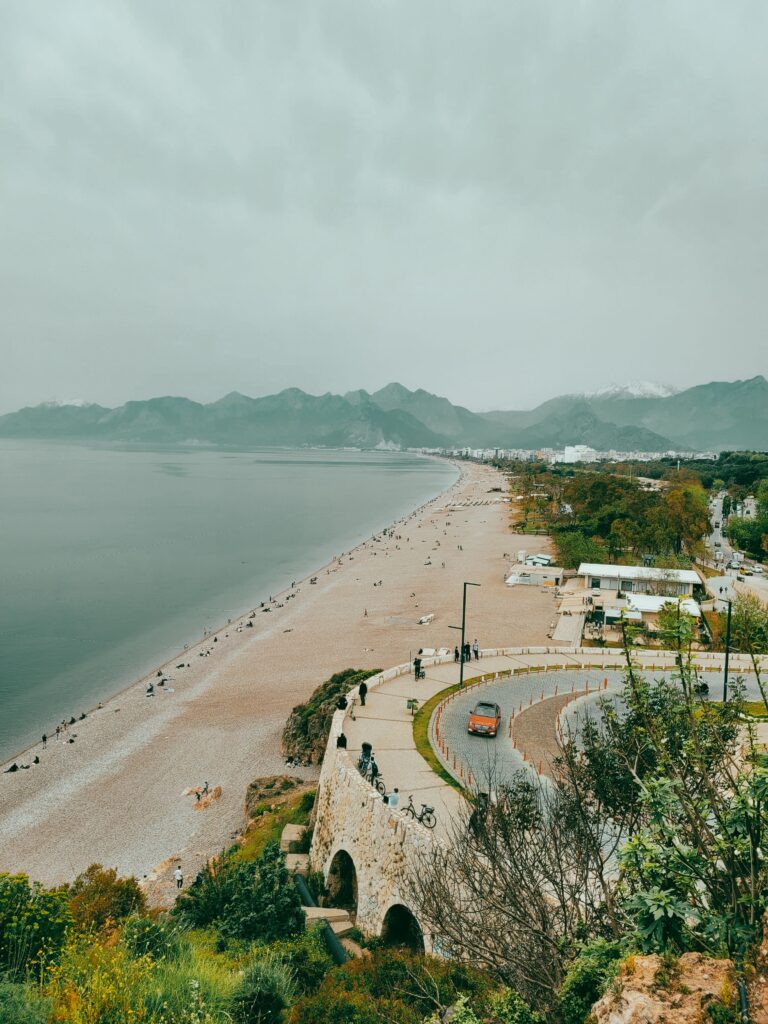
Antalya enjoys one of the longest, sunniest seasons in the Mediterranean, but the “best” time depends on what you want: blazing beach heat, comfortable sightseeing weather, or quiet, cheap winter days. The short answer? Late spring (May to early June) and early autumn (September to October) are the sweet spot, warm sea, pleasant heat, fewer crowds. Here is a local’s honest month-by-month guide.
Book Antalya tours for your dates
✅ Free cancellation up to 24 hours before · ✅ Reserve now, pay later
Check Price & Availability ›⚡ Quick Verdict: when should you go?
| 🏖️ Best overall (sweet spot) | May–June & September–October |
| ☀️ Hottest beach weather | July & August (very hot, busy) |
| 🏛️ Best for sightseeing & ruins | April–May, October–November |
| 💰 Cheapest & quietest | November–March |
| 🌊 Warmest sea | August & September |
| 🌧️ Rainiest | December (also Jan–Feb) |
Overall verdict: for the best balance of warm sea, pleasant heat, and manageable crowds, aim for late May, early June, or September.
Spring (March to May)
Spring is a delight. March is still cool and can be showery, but by April the countryside is green and flowering, perfect for exploring ancient sites like Termessos and Perge without melting. May is arguably the finest month of the year: warm sunshine, the sea becoming swimmable, wildflowers, and crowds that have not yet peaked. If you love sightseeing plus a bit of beach, spring is ideal.
Summer (June to August)
Summer is peak season, hot, dry, and buzzing. June is glorious, warm sea and long days before the fiercest heat arrives. July and August bring intense heat, often above 35°C, along with the biggest crowds and highest prices. The sea is at its warmest, and the atmosphere is lively, but midday sightseeing is punishing. Escape to the mountains or a boat, and save ruins for early morning.
Autumn (September to November)
Many locals will tell you September is the best month of all. The fierce heat softens, the sea is at its warmest after a summer of sun, and the crowds thin out. October stays beautifully warm and is superb for both swimming and sightseeing, with lovely light. By November the season winds down: still mild and pleasant for exploring, though swimming becomes a chillier proposition and the first rains arrive.
Winter (December to February)
Winter in Antalya is mild rather than cold, but it is the wet season, with December typically the rainiest month, followed by January and February. Rain often comes in short, heavy bursts with sunny spells between. It is far too cool for comfortable sea swimming, but the city is quiet, hotels are cheap, and the ancient sites are gloriously empty. You can even ski at Saklıkent in the mountains and see the coast the same day.
When to Go for What You Want
For a classic beach holiday, come between June and September. For sightseeing and ancient ruins, choose April, May, October, or November when the heat is bearable. For the best all-round balance, target late May, early June, or September. For budget and solitude, come in winter, accepting cooler, wetter weather but wonderfully empty sites and low prices.
A Note on Crowds and Prices
Antalya welcomed a record 17.12 million visitors in 2025, and the vast majority arrive in high summer. That means July and August bring packed beaches, booked-out tours, and premium prices. Shoulder months deliver nearly the same weather at noticeably lower cost with far more breathing room, which is why locals quietly recommend them.
Frequently Asked Questions
What is the best month to visit Antalya?
May, June, and September offer the best balance: warm sunshine, a swimmable sea, and fewer crowds than the peak of July and August. Many locals name September as the finest.
When is the sea warm enough to swim?
Generally from around late May through to October, with the sea at its warmest in August and September after a summer of sunshine.
Is Antalya too hot in July and August?
It is very hot, often above 35°C, and busy. It is manageable if you enjoy the beach early and late, escape to the mountains or a boat at midday, and save sightseeing for the evening.
Is it worth visiting Antalya in winter?
Yes, if you want quiet, cheap sightseeing rather than swimming. Winters are mild with sunny spells between rain showers, and the ancient sites are wonderfully uncrowded.
When is the cheapest time to visit Antalya?
November through March is the cheapest and quietest, with the lowest hotel prices, though it is the wet season and too cool for comfortable sea swimming.
What is the hottest month in Antalya?
July, closely followed by August. Daytime highs in the mid-30s°C are normal, with heatwaves pushing past 40°C, and nights stay warm.
When does the season start and end in Antalya?
The holiday season really runs from April to October, peaking from June to September. Many big hotels in Lara, Belek and Side open year-round, but some boat trips, beach clubs and seasonal restaurants close from November to March.
Can you swim in Antalya in April, May or November?
In May, yes, the sea is fresh but swimmable by the second half of the month. April is cold for most people (around 18°C), and November is cooling but still swimmable early in the month for the hardy. October is the last properly comfortable month.
Does it snow in Antalya?
Not in the city or on the coast, where snow is extremely rare. The Taurus Mountains behind it are white all winter, and you can ski at Saklıkent ski centre, about an hour’s drive inland.
Is Antalya humid?
In summer, yes. Coastal humidity makes July and August feel hotter than the thermometer says, especially in the evening. Spring and autumn feel much fresher.
Plan your Antalya trip
🚗 Need a Private Transfer or Luxury Vehicle in Antalya?
We arrange private airport transfers, intercity transfers and luxury vehicle hire across the Antalya region. Message us on WhatsApp for a quick quote.
💬 WhatsApp +90 533 653 02 90