
Quick answer
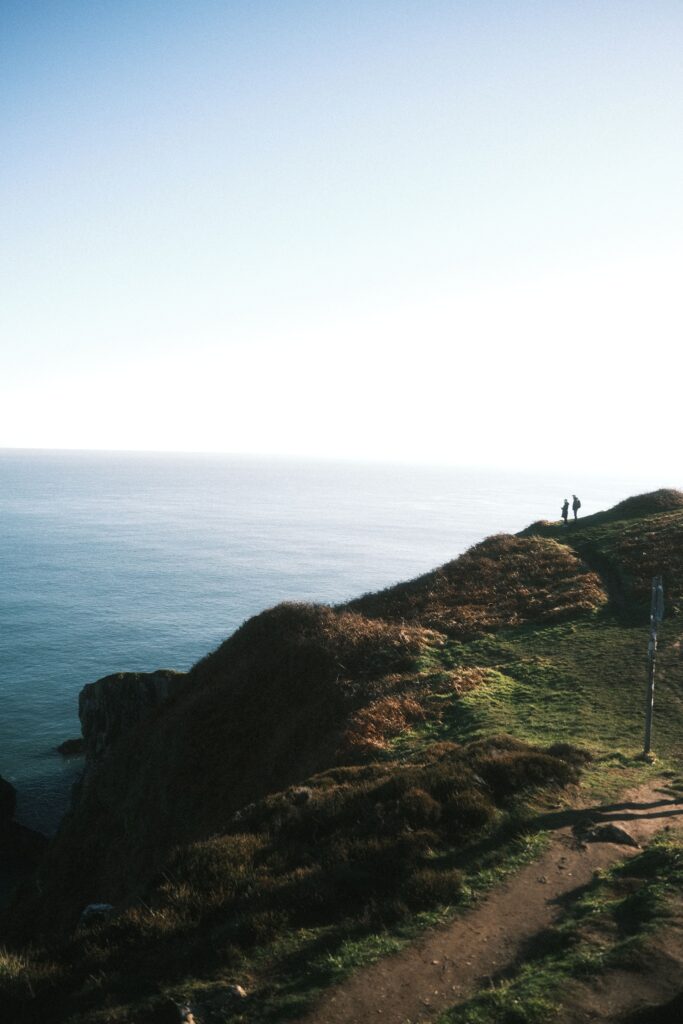
The Lycian Way is Turkey’s famous long-distance coastal trail, running roughly 540-760km along the Teke Peninsula between Fethiye and Geyikbayırı, near Antalya (the exact figure depends on which re-routed sections you count). Almost nobody walks the whole thing on one trip, and you don’t need to: the best short sections are Ölüdeniz to Kabak (2-3 days of the most dramatic coastal scenery), the Kaş coastal stretch, and Olympos to Çıralı. Spring (April-May) and autumn (September-October) are the only sensible seasons to hike it, since summer heat on exposed, shadeless sections can be genuinely dangerous. Waymarking is decent but inconsistent, and pensions along the route mean you don’t need to camp if you’d rather not.
The Lycian Way (Likya Yolu) was named one of the world’s best long-distance trails by The Sunday Times back in 1999, and it’s earned that reputation the honest way: it hugs a genuinely spectacular stretch of Mediterranean coastline, weaving between pine forest, exposed limestone cliffs, and the ruins of Lycian and Roman cities that most visitors never see because they’re not reachable by road. If you’re staying anywhere between Fethiye and Antalya, you’re already near a piece of it, whether you realise it or not. Here’s what to actually know before you lace up.
How Long Is the Lycian Way, Really?
You’ll see two different numbers thrown around, and both are correct depending on when the source was written. The trail was originally measured at around 509-540km when it was first waymarked in the late 1990s. Since then, the Culture Routes Society (the body that maintains it) has added new sections and re-routed others away from roads and onto proper paths, and the current official length is closer to 760km. Either way, this is a serious thru-hike: walked end to end, it typically takes 25-35 days depending on pace and how many side detours to ruins and villages you take.
The overwhelming majority of hikers, including most of the trail’s own guidebook authors, never walk it all in one go. It’s designed and used far more often as a collection of standalone day hikes and multi-day sections you dip into from a base like Fethiye, Kaş, or Olympos/Çıralı.
You Don’t Need the Whole Trail: Best Short Sections
Ölüdeniz to Kabak (2-3 days) is the single most popular stretch, and for good reason: it climbs above the Blue Lagoon, cuts through Faralya village with its cliffside views, and drops into Kabak, a laid-back valley of eco-camps and beach platforms with no road access, so it stays genuinely quiet even in summer. This section alone gives you the trail’s signature combination of turquoise water far below and pine-shaded cliff path underfoot.
The Kaş coastal stretch is flatter and easier than the Ölüdeniz section, running along low cliffs with regular sea access, and it’s a good choice if you want a half-day or full-day walk without a serious climb. It also passes close to the sunken ruins near Kekova.
Olympos to Çıralı is short (2-3 hours) but genuinely memorable: ancient ruins tangled in fig trees and oleander at one end, a long undeveloped beach at the other, and the Yanartaş eternal flames a short detour inland if you want to extend the day. It’s the easiest realistic introduction to the trail if you only have an afternoon.
Prefer a guided day on the trail?
Compare guided hiking and trekking tours covering sections of the Lycian coast:
Check Guided Hiking Tours ›✅ Free cancellation up to 24 hours before · ✅ Reserve now, pay later
When to Hike It
April-May and September-October are genuinely the only sensible windows for anything more than a short morning walk. The trail is exposed and largely unshaded for long stretches, and July-August heat on the Teke Peninsula regularly pushes past 35°C with little shelter, which turns a multi-day stretch from tough-but-doable into a real heat-exhaustion risk, particularly on sections without a reliable water source. Winter (November-March) is walkable and quiet, but shorter daylight hours and occasional rain mean you should plan more conservative daily distances.
Waymarking: What to Actually Expect
The trail is marked with red-and-white paint blazes (the same style used across Europe’s long-distance path network), and on the popular sections around Ölüdeniz-Kabak and Olympos-Çıralı, marking is frequent and easy to follow. On quieter, less-walked stretches further from the tourist towns, blazes can be faded, spaced further apart, or occasionally missing after storm damage or path erosion, and it’s genuinely possible to lose the trail for a few minutes at a junction. The honest, practical fix: download the trail on a GPS app (Wikiloc and komoot both have well-maintained Lycian Way tracks) before you set out, rather than relying on paint alone, especially on any multi-day stretch away from the main resort towns.
Where to Stay: The Pension System
You don’t need to camp unless you want to. The trail passes through a steady string of villages, and family-run pensions (often with home-cooked dinners included) are the traditional way to hike it, particularly on the Ölüdeniz-Kabak and Kaş sections where accommodation is closely spaced. Kabak in particular has a cluster of simple eco-camps and treehouse-style platforms built specifically for trail walkers. On quieter stretches, accommodation gaps can run to a full day’s walk, so it’s worth mapping out where you’ll actually sleep each night before you start rather than assuming something will turn up.
📝 A Local’s Note
Pack more water than you think you need, and refill whenever you pass a village fountain or café rather than waiting until you’re low, some stretches genuinely have no reliable source for hours. Second tip: proper hiking boots or trail shoes matter more here than on most Turkish coastal walks, the path alternates between loose limestone scree and smooth, slippery rock, and a lot of visitors underestimate it because the surrounding scenery looks so gentle.
Frequently Asked Questions
How long is the Lycian Way?
Around 540km by the original 1990s measurement, or roughly 760km by the current official route including re-routed and added sections. Walking it end to end typically takes 25-35 days.
Do I need to hike the whole Lycian Way?
No, most people walk short sections. Ölüdeniz to Kabak (2-3 days), the Kaş coastal stretch, and Olympos to Çıralı (a half-day) are the most popular and rewarding standalone sections.
When is the best time to hike the Lycian Way?
April-May and September-October. Summer heat on exposed, shadeless sections can be genuinely dangerous, and winter is walkable but has shorter days and occasional rain.
Is the Lycian Way well marked?
Reasonably, with red-and-white paint blazes, but marking is inconsistent on quieter stretches. Download a GPS track (Wikiloc or komoot) before any multi-day section rather than relying on paint alone.
Do I need to camp on the Lycian Way?
Not on the popular sections. Family-run pensions and eco-camps are spaced along the Ölüdeniz-Kabak and Kaş stretches, though quieter sections can have longer gaps between accommodation.
Is the Lycian Way Film Festival the same as this trail?
No, that’s a common mix-up. LikyaFF is an unrelated free film festival held in Antalya city each September, named after the trail but otherwise unconnected to it.
🥾 More Lycian Coast Guides
Page last updated: September 2026
🚗 Need a Private Transfer or Luxury Vehicle in Antalya?
We arrange private airport transfers, intercity transfers and luxury vehicle hire across the Antalya region. Message us on WhatsApp for a quick quote.
💬 WhatsApp +90 533 653 02 90