
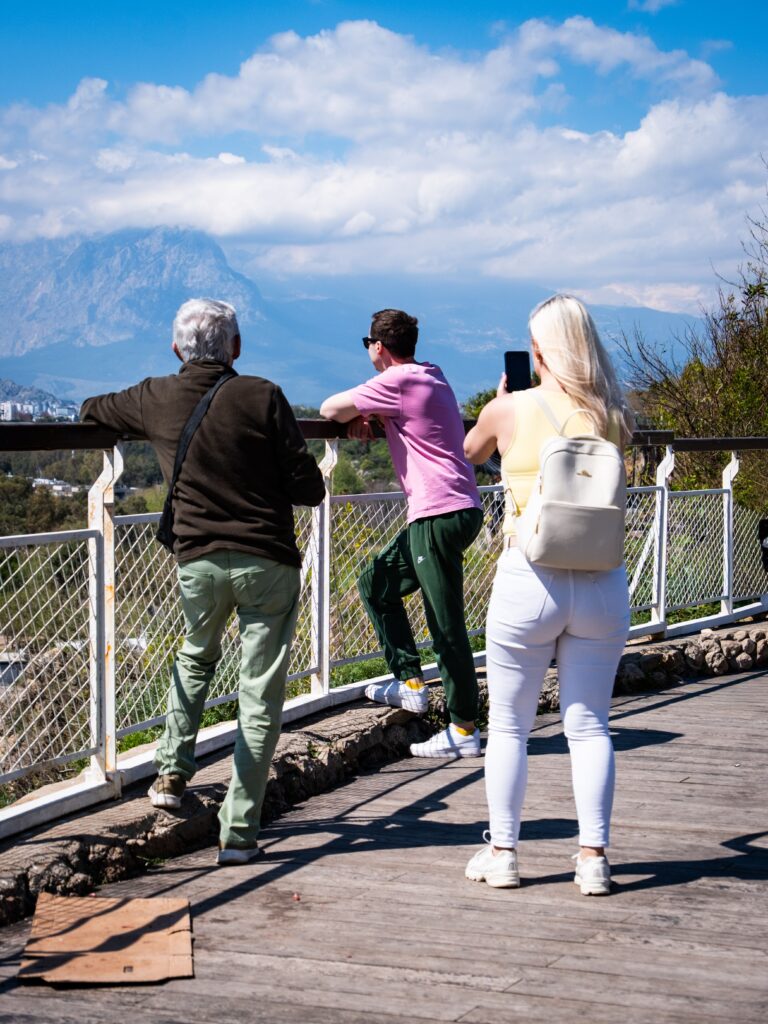
Antalya is not simply a beach resort with some ruins attached. It is the ancient region of Pamphylia and Lycia, where Alexander the Great was stopped in his tracks, where Roman emperors built triumphal gates, and where a Mediterranean coastline of impossible blue meets 3,000-metre mountains. Today it welcomes more visitors than almost any city on earth, yet its best experiences remain quietly overlooked. Here is a local’s complete guide.
Book the best Antalya experiences
✅ Free cancellation up to 24 hours before · ✅ Reserve now, pay later
Check Price & Availability ›📝 A Local’s Note
If this guide is your main reference for a longer trip, bookmark it rather than printing it. A few of the practical details here, museum status, cable car status, exact fees, do shift over time, and the linked individual guides get updated more frequently than a single master page can.
The compression this article talks about cuts both ways. It’s genuinely possible to overpack a day here because so much is close together, and the result is usually rushing through Aspendos to make it to the beach rather than enjoying either properly. Fewer stops, done well, beats a checklist.
Why Antalya, Really
The numbers tell one story: Antalya welcomed a record 17.12 million visitors in 2025, its second consecutive record year, putting it among the most visited cities on the planet. But numbers miss the point. What makes Antalya extraordinary is compression. In a single day you can stand in the world’s best-preserved Roman theatre, swim in the Mediterranean, and watch flames that have burned continuously from a mountainside for over two thousand years. Few places on earth stack that much variety within an hour’s drive.
The Geography That Shapes Everything
Understanding Antalya’s layout unlocks the whole trip. The city sits on a limestone travertine shelf, which is why Düden Waterfall tumbles directly off a cliff into the sea, a genuinely rare sight. Behind rise the Beydağları, part of the Taurus range, high enough to hold snow into spring while people swim below. West of the city lies Lycia, a fiercely independent ancient federation of rock-cut tombs and hidden coves. East lies Pamphylia, flatter, richer, and home to the great Roman cities of Perge, Aspendos, and Side.
When to Go (the Honest Answer)
July and August are hot, expensive, and crowded. Come instead in May, June, September, or October. September is many locals’ favourite: the sea holds its summer warmth, the light softens, and the crowds thin. April and November are superb for ruins, when walking Termessos does not feel like punishment. Winter is cheap, quiet, and mild, though December is the rainiest month, and too cool for swimming.
Where to Stay: Matching Area to Trip
Kaleiçi is the historic core, boutique hotels inside Roman walls, everything walkable, no real beach. Best for couples and culture. Konyaaltı offers a long pebble beach beneath towering mountains, a local feel, and central access. Lara is sand and grand all-inclusive resorts, ideal for families. Belek is golf and luxury. Kemer gives pine-clad coves and mountains. Side blends ruins with beach. The mistake most first-timers make is booking a far resort then discovering the old town needs a taxi each time.
The Things Worth Your Time
Aspendos has the finest surviving Roman theatre anywhere, so acoustically precise that a whisper from the stage carries to the upper rows. Perge lets you walk a whole ancient city, and its finest statues, including one of Plancia Magna, the powerful woman who rebuilt its gates, are normally displayed in the Antalya Museum, currently closed for a rebuild (more on that below). Termessos defeated Alexander the Great; its theatre clings to a cliff at over a thousand metres. Yanartaş near Çıralı burns with natural flames that inspired the myth of the Chimaera. And Kaleiçi at dusk, when tour groups leave, is quietly magical.
The Insider Detail Most Guides Miss
Two things locals know. First: Aspendos still has its Roman aqueduct, an extraordinary engineering survival, largely ignored by visitors who photograph only the theatre. Second, and importantly: the Tünektepe cable car in the city has been closed since a fatal accident in April 2024 and remains so. The cable car worth riding is Tahtalı (Olympos) near Kemer, which lifts you to a 2,365-metre summit where you can stand in snow and see the beach you swam at that morning. And a third, more recent one: the Antalya Archaeological Museum has been closed since mid-2025 for a full rebuild, expected to reopen by the end of 2026, so it’s not currently visitable, our museum status guide has the current situation and the open alternative.
What to Eat
Antalya has its own cuisine, not just generic Turkish food. Order Antalya piyazı, white beans in a nutty tahini-garlic sauce topped with egg, unlike piyaz anywhere else in Turkey. Try hibeş, a cumin-laced tahini dip, and tandır kebabı, lamb slow-cooked underground. Eat künefe hot, never reheated. And the reliable rule: a plain restaurant full of Turkish families beats a photo-menu place on the harbour every single time.
Getting Around
Antalya Airport sits just 13 km from the centre, 15 to 25 minutes by road. The tram and buses are cheap but need an AntalyaKart card (no cash on board). Taxis are convenient but this is where tourists are most often overcharged, so insist on the meter. For resorts like Belek, Side, or Kemer, a pre-booked private transfer with a fixed price usually beats a taxi. Within Kaleiçi, walk. Between distant districts, take the tram.
How Long to Stay
Three days covers the city, one beach day, and one ancient site. Five days is the sweet spot: city, beaches, two day trips, and time to breathe. A week lets you reach Kaş, Kalkan, or Çıralı properly. Cappadocia deserves two days of its own, and a single-day dash cannot include the sunrise balloon, so plan it as an overnight trip rather than a marathon.
Practical Essentials
The currency is the Turkish Lira, and paying in lira almost always beats paying in euros. Cards are widely accepted, but carry cash for markets, taxis, and several cash-only ancient sites. A Müzekart or Museum Pass pays for itself across a few sites. Dress modestly at mosques. The sun is fierce: high-SPF sunscreen is not optional. Emergency number: 112.
📶 Sort your data before you land
Turkey now restricts access to eSIM providers’ sites from inside the country, so it’s worth buying and installing yours before you fly. We use Holafly, unlimited data, no physical SIM needed. How to use the ANTALYA code.
Get Your Turkey eSIM (Code: ANTALYA) →Frequently Asked Questions
Is Antalya worth visiting?
Yes. Few places combine turquoise beaches, world-class Roman ruins, 2,000-metre mountains, and excellent value so completely. It welcomed a record 17.12 million visitors in 2025 for good reason.
How many days do you need in Antalya?
Three days covers the essentials, five days is the sweet spot for city, beach, and day trips, and a week lets you explore the wider Lycian coast properly.
What is the best time to visit Antalya?
May, June, September, and October offer warm seas, comfortable heat, and fewer crowds. July and August are very hot and busy; winter is cheap and quiet but wet and too cool to swim.
Where should first-time visitors stay?
Kaleiçi for atmosphere and walkability, Konyaaltı for a central beach and mountain views, or Lara for a sandy all-inclusive resort holiday, especially with children.
Is Antalya safe for tourists?
Yes, it is generally very safe. The main issues are minor tourist scams such as unmetered taxis and inflated bar bills, plus the strength of the summer sun.
Plan every part of your trip
Page last updated: August 2026.
🚗 Need a Private Transfer or Luxury Vehicle in Antalya?
We arrange private airport transfers, intercity transfers and luxury vehicle hire across the Antalya region. Message us on WhatsApp for a quick quote.
💬 WhatsApp +90 533 653 02 90